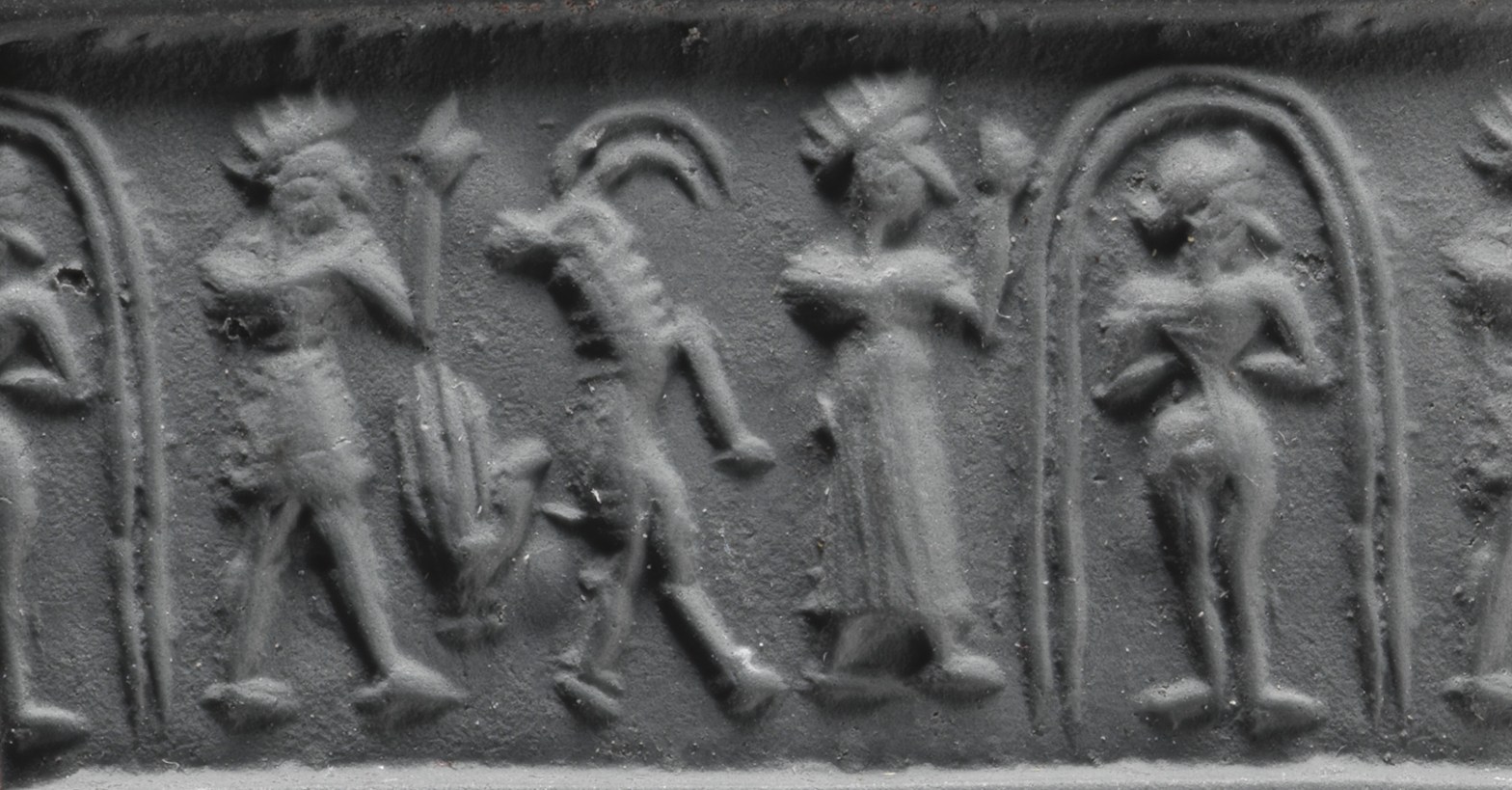
Welcome to part 3 of the polytheism context clue. If you’re just joining us, we’ve been exploring the claim that developing a clear understanding of Biblical and historical polytheism will help us to peel back some of the troublesome layers of ancient Israel’s history and literature. I would suggest going back to read parts 1 & 2 so as to understand the premise and tone.
With no further adieu let’s take a brief, high-level, look at some of the major national and cultural pantheons that surrounded and saturated ancient Israel.
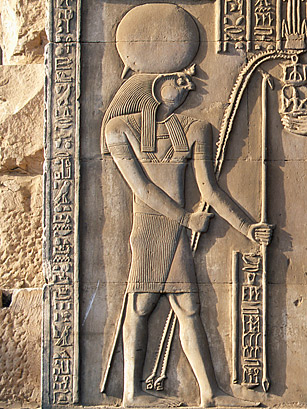
Egypt: had a long list of deities in their pantheon, and the list of the most popular deities shifted throughout their history, depending on whether it was during the old kingdom, new kingdom, or some other era. Here are some of their most popular/well-known deities:
- Ra – the supreme sun god, considered the creator and the first pharaoh. He was central to Egyptian cosmology, traveling across the sky daily.
- Osiris – lord of the Underworld and judge of the dead. He represents death, resurrection, and fertility. He was crucial to the belief in the afterlife.
- Isis – goddess of magic, motherhood and fertility. She was the wife of Osiris and the mother of Horus.
- Horus – falcon-headed god of sky and light. He represented the living Pharaoh, and kingship, fighting against the forces of chaos.
- Anubis – jackal-headed god of embalming, and the guardian of the dead. He guided souls to the afterlife and oversaw the weighing of the heart.
- Set (Seth) – god of chaos, storms, and the desert. While a rival to Horus and Osiris, he was necessary for balance.
- Thoth – god of wisdom, writing, hieroglyphs, and science. Often depicted with an Ibis head, he was the scribe of the gods.
- Hathor – goddess of love, beauty, music, and drunkenness, often represented as a cow or a woman with cow ears.
- Bastet – cat-headed goddess of the home, fertility, and protection.
- Ptah – patron god of craftsmen, architects, and other creative trades.
- Ma’at – goddess of truth, balance, and cosmic order, essential for maintaining the universe.
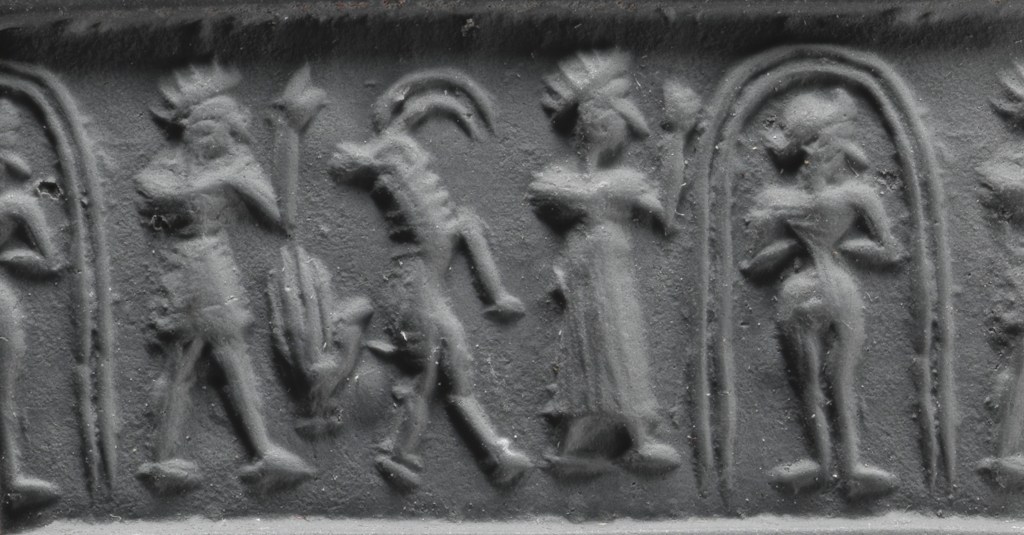
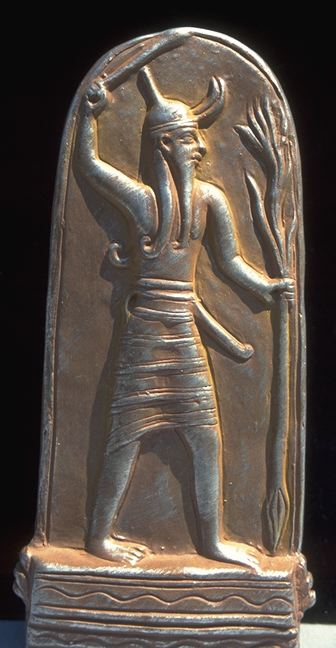
Canaan: was a melting-pot region of many ethnic people groups, families, tribes and kingdoms. These include many of the groups frequently listed in the Bible (Hivites, Jebusites, Philistines, Moabites, Sepharvites, and so on). Most of these shared a dominant pantheon, although many of the individual groups had either additional gods, or else held a set of deities in higher veneration than others. Here’s a condensed list of some of the popular/well-known Canaanite deities (which we know about thanks to the Ugaritic texts):
- El (or Ilu) – the elderly, wise, “gray-beard” supreme head of the pantheon, known as the creator and father of gods and humankind.
- Asherah (or Athirat) – wife of El and the mother of many deities, often associated with fertility, trees and sacred poles.
- Baal (or Hadad) – the popular storm god (“Lord of the Land”) who brought rain and fertility. He was often portrayed as a warrior battling chaos.
- Anat – the sister-consort of Baal, a fierce war goddess and protector who often displayed violent power.
- Astarte – a fertility and war goddess
- Mot – the god of death, drought, and sterility, representing the desert, Mot was considered the enemy of Baal.
- Yam (or Nahar) – the god of sea and chaos, defeated by Baal in a battle for sovereignty.
- Resheph – the god of plague, pestilence, and healing.
- Shapshu – the sun goddess who served as a mediator between gods, sometimes known as Shamosh (or Chemosh) in other Canaanite regions.
- Dagon – a fertility and vegetation god associated with agriculture.
In addition to this list, there are a few other “honorable mentions” that show up in the Bible. A few of these include:
- Adrammelech – Sepharvite god of war and love.
- Anammelech – Sepharvite god demanding child sacrifice
- Molech (or Moloch) – national god of the Amonites and Moabites, whose worship involved human (often child) sacrifice.
- Nergal – the Cuthite god of death and the Underworld.
- Rimmon – god of Aram responsible for thunder, lightning and rain.
- Tartak – the Avvite god(des) of fertility.
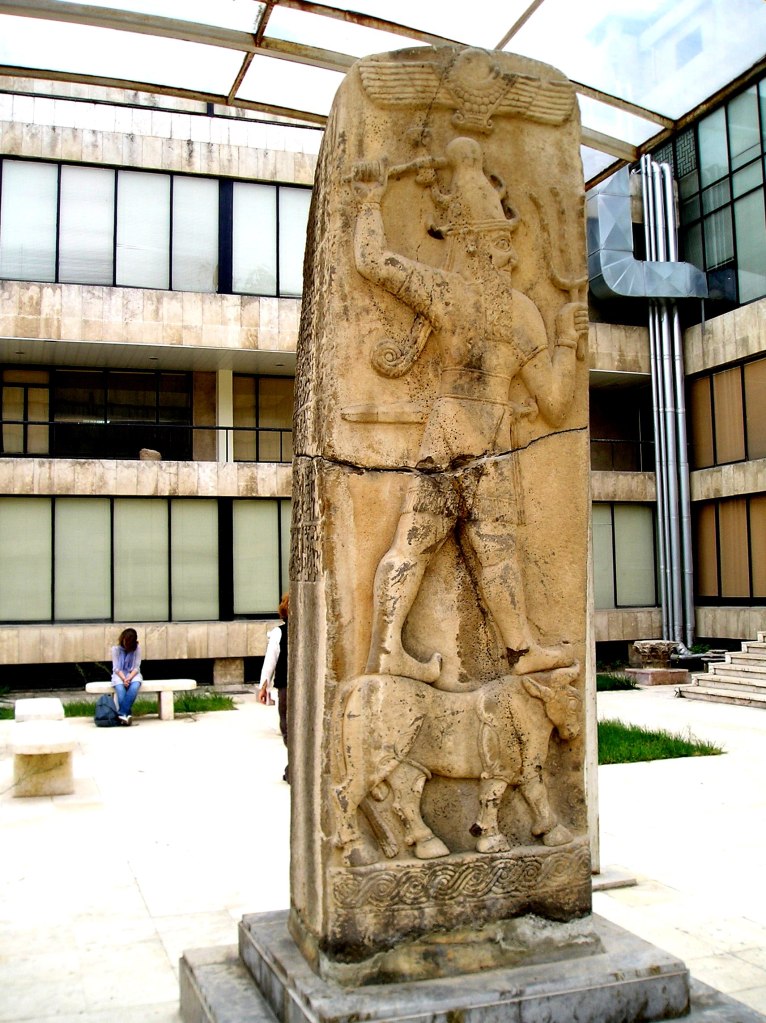
Hittite: while many of the smaller tribes, nations, clans and kingdoms share a central pantheon, others had a full pantheon of their own, such as the Hittites.
- Tarhun/Tarhunnara – the supreme king of the gods, ruler of heaven, thunder, and lightning. He is often depicted as holding a lightning bolt and axes, ensuring agricultural fertility and maintaining order
- Arinna/Arinniti/Istanu – the principal consort of Tarhun. As the supreme solar deity, she governed sovereignty, justice, and the protection of the Hittite empire.
- Telepinu – son of Tarhun and Arinna, and god of fertility.
- Inara – daughter of Tarhun, and the goddess of wild animals and the steppe.
- Hannahannah – a creator goddess and advisor to the other gods.
- Kumarbi (or A’as) – father of the gods, who was overthrown by Tarhun.
- Shaushka (or Ishtar) – goddess of love, war, and fertility.
- Jarri – a plague god, sometimes associated with military destruction and warfare.
I’ve left a lot off of these lists, as you may have noticed. My hope is not to provide you with a comprehensive list of the deities and pantheons worshipped in and around the lands of Egypt and Canaan, but rather to give a brief sampling so as to show what the dominant cultural views and traditions were which surrounded the nation of Israel during its time in these lands. We’ll continue this exploration in the next post by looking at some of the significant pantheons surrounding Israel (and Judah) during their various seasons of captivity. Most of these cultures were also influencing the Israelites much earlier, but the effect was amplified in captivity.
As you begin to review these lists, I’d encourage you to look for commonalities and trends. For instance, what similarities do you find between the Egyptian gods, Ra and Set, and the Canaanite gods, El and Yam? What similarities do you find between the types of domains represented in each pantheon? (For example: fertility, love, war, storms, chaos, etc.)
I hope you’ll join us for the next part as we explore some of the major deities of the Assyrians, Babylonians, Persians, Greeks and Romans. From there, we’ll begin to explore some of the implications surrounding Israel’s prolonged proximity to, and assimilation of, these polytheistic beliefs.
Make a one-time donation
Make a monthly donation
Make a yearly donation
Choose an amount
Or enter a custom amount
Your contribution is appreciated.
Your contribution is appreciated.
Your contribution is appreciated.

