Welcome to part 4 of the polytheism context clue. If you’re just joining us, we’ve been exploring the idea that developing a clear understanding of Biblical and historical polytheism will help us to peel back some of the troublesome layers of ancient Israel’s history and literature. I would suggest going back to read parts 1, 2 & 3 in preparation for this post.
Last week, we began to explore a few of the culturally significant pantheons of the nations, tribes, ethnic groups and kingdoms surrounding the Israelites during their centuries of time in Egypt, and later Canaan. Today, we will conduct a similar exploration of the culturally significant pantheons of the conquering kingdoms and empires of Israel’s captivity: the Assyrians, Babylonians, Persians, Greeks, and Romans. Here we go!
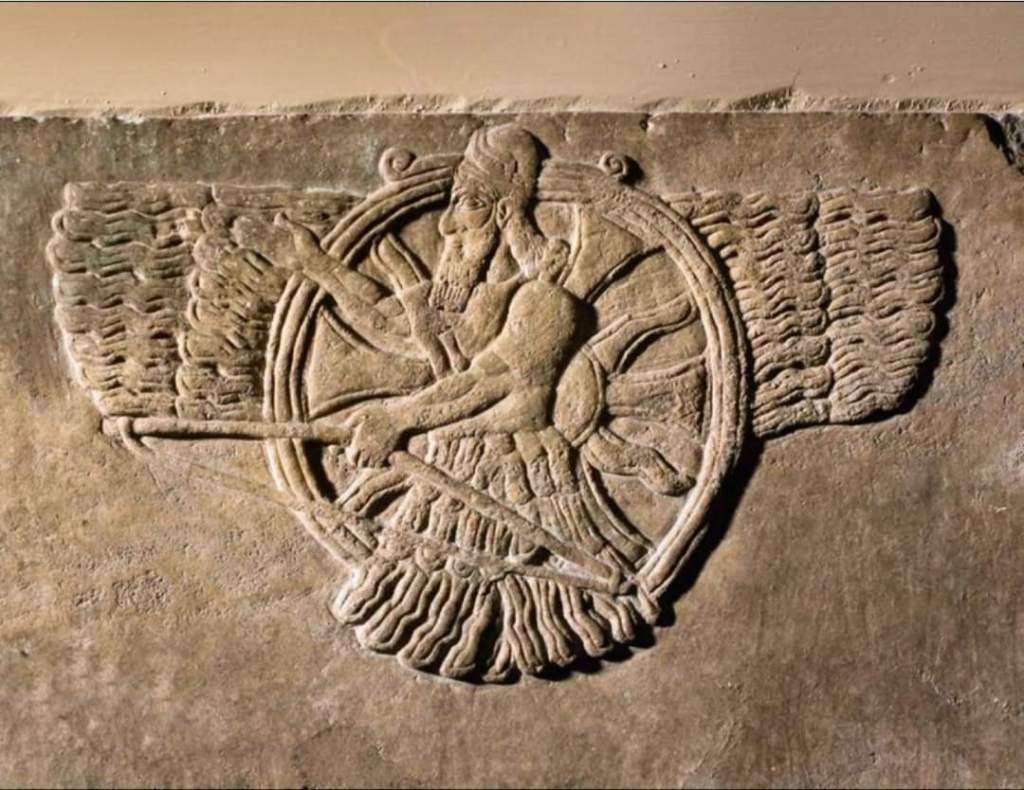
Assyria: In their early history, Assyrians placed a heavy emphasis on local deities (patron gods of various cities, for example), but they also absorbed a lot of deities from other people groups, such as the Canaanites and the Hittites. As the Assyrian empire expanded, they heavily adopted Sumerian and Babylonian gods, elevating them alongside their own most venerable deities. As a result, this list below will include many cross-overs with the other lists.
- Ashur/Assur – the supreme god of the Assyrians. He was worshipped as the lord of the whole heavens.
- Mullissu – the wife of Ashur. She was a major mother goddess.
- Ishtar – goddess of war, love, and fertility. She was crucial to the Assyrian identity and was often invoked by kings in battle.
- Nabu/Nebo – the god of wisdom, writing, and literacy. He was the son of Marduk (the Babylonian god), but held a very high status in the Assyrian pantheon.
- Sin (or Nanna) – the god of the moon, astronomy, and time.
- Shamash (or Utu) – the sun god responsible for justice, law, and truth.
- Adad (or Ramman) – the storm and rain god, crucial for agriculture, but also feared for destruction.
- Ninurta (or Ninip) – a major god of war, hunting, and farming.
- Nergal – god of death, plague, and the Underworld. Nergal was also associated with war.
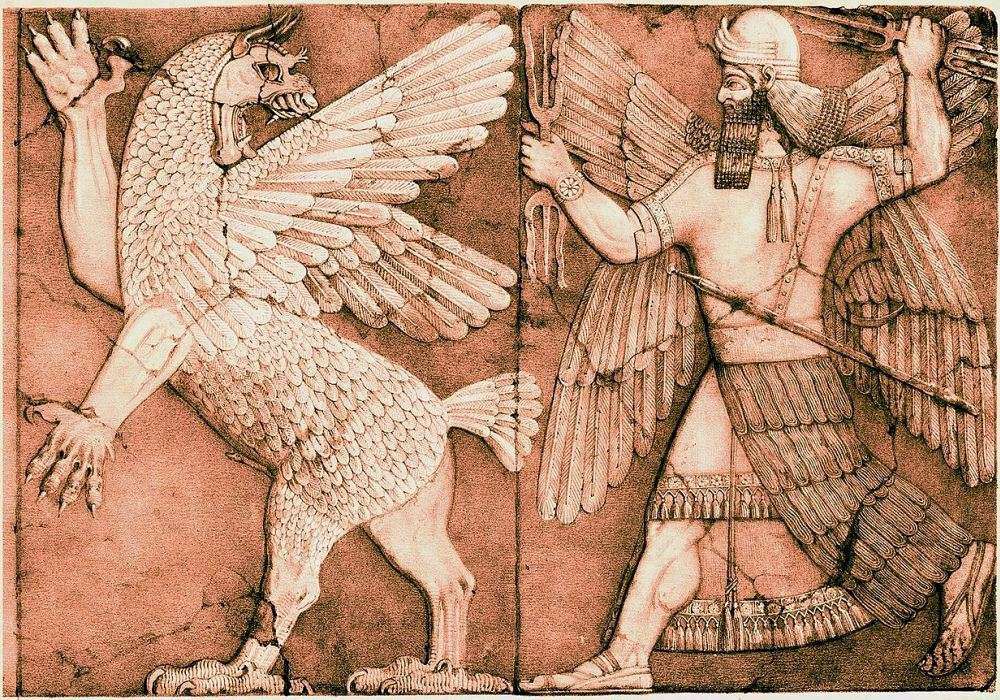
Babylon: similar to Assyria, the Babylonian pantheon also included older Sumerian-derived gods, but retained their own unique creation myth (Enuma Elish) and pantheon. Here’s a condensed list of some of the popular/well-known Babylonian deities:
- Marduk (or Bel) – the patron god of Babylon, he was elevated to the head of the pantheon for defeating Tiamat. He is often depicted as the creator of humanity and the champion of order.
- Ishtar (or Inanna) – the goddess of sexual love, fertility, and war.
- Ea (or Enki) – the god of wisdom, magic, and sweet waters. He was often depicted as a clever protector of humanity.
- Nabu/Nebo – the son of Marduk and the patron of writing, literacy, and wisdom.
- Shamash (or Utu) – the sun god responsible for justice, law, and truth.
- Sin (or Nanna) – the god of the moon, astronomy, and time.
- Nergal – god of death, plague, and the Underworld. Nergal was also associated with war.
- Adad (or Ishkur) – the storm god, responsible for thunder, lightning, and rain.
- Tiamat – the primordial goddess of the salt sea, who represents chaos, and was defeated by Marduk in the creation epic (Enuma Elish).
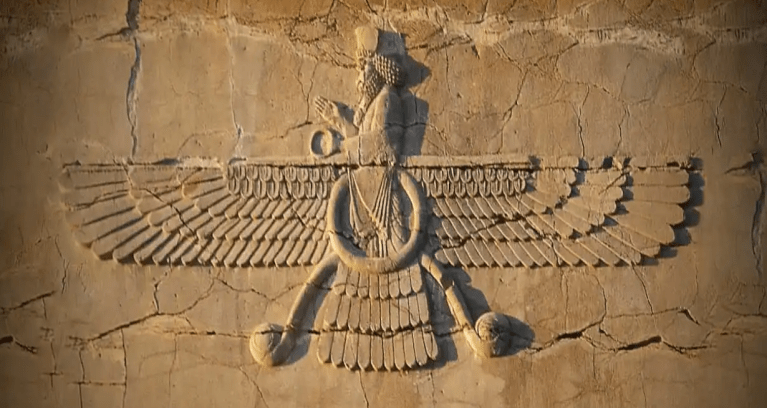
Persia: their pantheon is found primarily in Zoroastrian and earlier Iranian traditions. On the surface level, the Persian pantheon seems to revolve around a dualistic struggle between good and evil, but contrary to some classifications, their pantheon fully qualifies them as a polytheistic religion. Here are a few of the popular/well-known Persian deities:
- Ahura Mazda– the supreme god of wisdom and the sky. The creator of the universe, Ahura Mazda represents truth and light.
- Angra Mainyu (or Ahriman) – the destructive spirit, embodying chaos, lies, and evil.
- Mithra (or Mihr) – god of light, covenant, contract, and the rising sun.
- Anahita – the goddess of fertility, healing, wisdom, and water.
- Atar – the son of Ahura Mazda, and the personification of divine fire. A crucial element in rituals.
- Verethragna (or Bahram) – the warrior god of victory, who aids the righteous in their battle against evil.
- Tishtrya – a deity associated with rain, agriculture, and fertility, often battling drought.
- Rashnu – a divine judge who determines the fate of souls after death.
- Vayu-Vata – The deity of the wind and atmosphere.
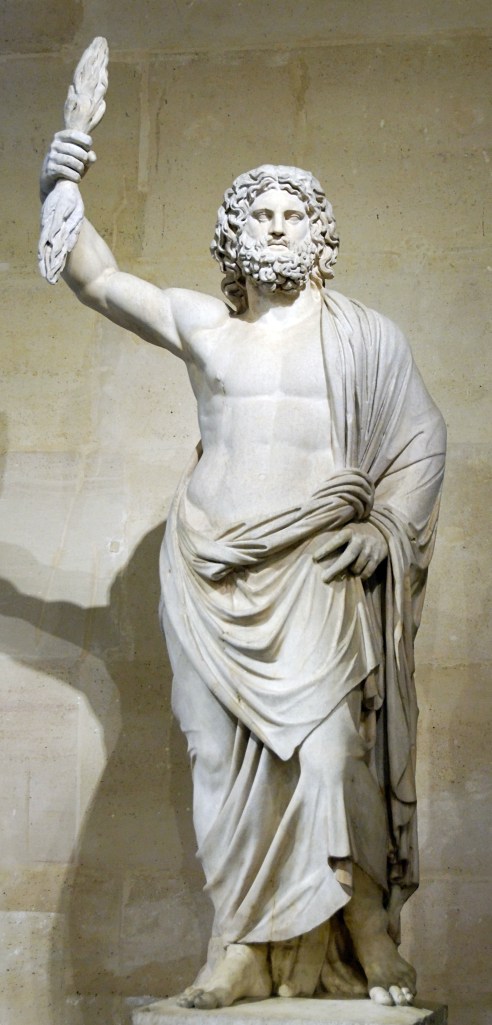
Greece/Rome: the major Roman deities were heavily influenced by Greek mythology, and revolved around the twelve olympians (Greek) or the Consentes Dii (Roman). While there are variations and nuance between the two, they’re similar enough that for this post, I’ll treat them as the same, placing the Greek name first and the Roman name second. As always, feel free to conduct additional research of your own. This is not a comprehensive list, simply a useful starting point:
- Zeus (Jupiter) – king of the gods, sky, lightning (and thunder), and justice.
- Hera (Juno) – queen of the gods, wife of Zeus, and goddess of marriage, childbirth, women, and family.
- Poseidon (Neptune) – god of the sea, earthquakes, and horses.
- Athena (Minerva) – the goddess of wisdom, handicraft, and strategic war.
- Apollo (Apollo) – the god of music, poetry, prophecy, light, and the sun.
- Artemis (Diana) – the goddess of the hunt, wilderness, and the moon.
- Aphrodite (Venus) – the goddess of love, beauty, and desire.
- Hermes (Mercury) – messenger of the gods, god of commerce, thieves, and travelers.
- Ares (Mars) – god of war, violence, and bloodshed.
- Hephaestus (Vulcan) – god of fire, metallurgy, and craftsmanship.
- Demeter (Ceres) – goddess of agriculture, harvest, and fertility.
- Hestia/Dionysus (only Greek) – Hestia was the goddess of hearth and home; she was replaced as an olympian by Dionysus, the god of wine and theater.
- Janus (only Roman) – god of beginnings, endings, transitions, and doorways.
- Hades (Pluto) – king of the Underworld and ruler of the dead; brother to Zeus and Poseidon.
You’ll notice I’ve made no mention of the Eastern pantheons in these lists, nor of the Norse pantheon, or even of the various African pantheons (apart from Egypt). There are two reasons for these omissions: 1) the omitted people groups and pantheons weren’t as directly influential in shaping Israel’s culture and beliefs in the same way the ones we’ve listed were, and 2) these lists are already long enough to prove my original points regarding Israel’s exposure to various polytheistic religions, and the inevitable influence that prolonged proximity with (and assimilation of) these religious constructions will have had on the nation of Israel.
Now that we have a modest collection of lists to work with, we can begin to explore some of the commonalities between these different religions and appreciate the theological landscape of the ancient Israelites a little better.
- The Power of Stories
- As Unto the Lord
- Mythbusters!
- Context Clues – Polytheism Pt. 12
- Context Clues – Polytheism Pt. 11
Make a one-time donation
Make a monthly donation
Make a yearly donation
Choose an amount
Or enter a custom amount
Your contribution is appreciated.
Your contribution is appreciated.
Your contribution is appreciated.
 Just for a Closer Walk